Using Swimming For Dog Weight Loss
For owners of overweight dogs who struggle with land-based exercise.
Overweight dogs get caught in a loop: they need exercise to lose weight, but the extra weight makes walking uncomfortable, so exercise drops off and the weight climbs. Warm water breaks that loop.
This guide explains how to build a swimming routine around a weight-loss goal, and where swimming's limits are.
Key points
- Water carries the weight, so a heavy dog can work without joint strain.
- Weighty Woofers sessions are £40 and include a free weigh-in each visit.
- Diet does the heavy lifting; swimming makes exercise achievable again.
Why swimming suits heavy dogs
Buoyancy takes the load off hips, knees and elbows, so a dog who is sore after twenty minutes on pavement can work steadily in the pool without the impact. Water resistance means muscles are working hard in every direction even at a modest pace.
Warm water — ours sits at 28 to 32°C — also keeps stiff, out-of-condition dogs comfortable rather than braced against cold.
Starting sensibly
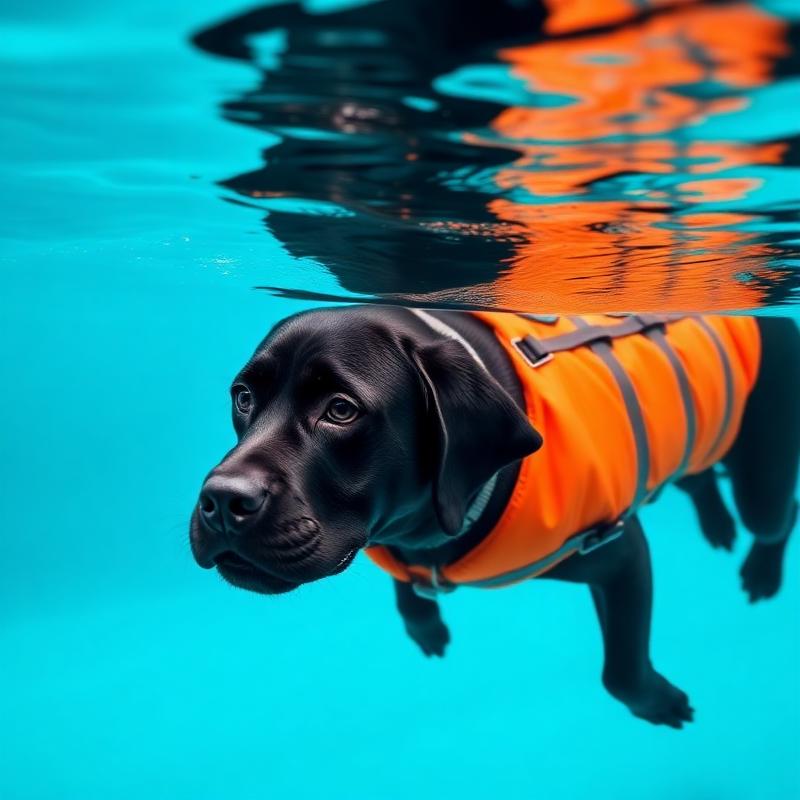
An unfit, overweight dog will tire fast. Early sessions are built from short swims with proper rests, using a fitted buoyancy aid so the dog can float and recover without panic.
Over subsequent sessions the working intervals lengthen as fitness improves. This progression is the whole point, and it is why a coached session often suits weight-loss work.
Tracking progress honestly
Every Weighty Woofers session includes a free weigh-in on the same scales, so you get a consistent trend rather than a guess. Weight moves slowly and unevenly; seeing the line over two months is far more useful than any single reading.
Bring your vet's target weight if they have set one, and we will work towards it.
The part swimming can't do
We will not pretend otherwise: no exercise programme outruns an unsuitable diet. Portion control, measured feeding and cutting back treats are what actually move the number on the scales.
Swimming's job is to make exercise possible and enjoyable for a dog who currently finds it hard, and to preserve muscle while the weight comes off. The two together work; either alone struggles.
Common questions
How much is a weight-loss session?
Weighty Woofers sessions are £40 for a private 30-minute slot, with a free weigh-in included every visit.
Is my dog too heavy to swim?
Weight itself is rarely the barrier — water supports it. Tell us about any diagnosed heart or breathing conditions when you book so we can plan the session properly.
How often should an overweight dog swim?
Weekly is the pattern most owners settle into, alongside a controlled diet. Your dog's recovery between sessions should guide any increase.
Do you give diet advice?
We are a swimming facility, not a veterinary practice — your vet is the right source for a feeding plan. We handle the exercise side and the weigh-ins.
Start a Weighty Woofers plan
Tell us your dog's current situation and we'll get a first session booked in.
What Happens Next?
- 1. We review your enquiry
- 2. We call or text to confirm
- 3. Bring your dog and a towel!